Showing posts with label Family eats. Show all posts

Friday, April 6, 2012

Dorayaki

There was a time when I would hand draw birthday cards and even make crafty (read: hideous) things from whatever I could lay my hands on for selected few. They weren't always very good and only my loving parents would keep these weird art pieces as if they were treasures.  For the longest time I was made to believe that anything that came from the heart (and pulled from the recycled pile) -- no matter how misshapen -- was worth more than store bought perfection.   


I still believe that.... some what.

But having access to money has, ironically, made me lazy. I work hard at work to bring in the dough but when it comes to relationships, I rely on online shopping and love the way it can zap all that hassle with a double click. The truth is also that in reality, there are things I can't make.

So, when my friend "C's" birthday came up -- and without having to sell meth or my children to afford the retirement lake house that she'd been dreaming of -- I decided I would make some Dorayaki (red bean paste pancakes) that she liked so much whilst working in Japan.

I realized that I do have a knack for cooking even if my crafty hands have retired and my drawing days behind me.


Most of my creative energy takes place in the kitchen these days. And if I can't find Dorayaki anywhere in this town, then, this token birthday gift was going to be different -- in a good way-- I figured.

It started off as a self-less act but at the end, I'd made enough pancakes and red bean paste to go around for my kids and myself. My kids were thrilled as they sat at the breakfast table peeling the plastic wrap off their pancake and reminiscing the last time they had a Dorayaki.  They couldn't believe that I'd managed to recreate their childhood snack, neither could I.

In the end, this home made gift intended for one delighted more. Who knew?


Makes 8 pancakes
Ingredients for red bean paste: (or use canned red bean paste)
1 cup uncooked red beans
Sugar to taste


Method:
1. Place uncooked red beans in slow cooker and fill with 2 cups water.
2. Cook on the low setting.
3. When beans are soft, rid of excess water, mash coarsely. Do not over mash if you like the bean paste to have some texture.
4. Add sugar to taste at the very last.


If the mixture is still too watery, cook the bean mixture over the stove until more water has evaporated.
If the mixture is too dry and crumbly, add a little water (tbsp-ful)at a time to the bean mixture.


*Alternatively, use store bought red bean paste. I find them a little too sweet. In any case, I had a ready supply of uncooked red beans and a very reliable slow cooker.


Ingredients for pancake batter: (from 'Just One Cookbook') 
4 eggs
140g (2/3 cup) sugar
2 Tbsp. honey
160g (1 cup) all-purpose flour
1 tsp. baking powder
1-2 Tbsp. water


1. Whisk eggs and sugar together until frothy.
2. Whisk in honey.
3. Whisk in flour and baking powder.
4. Leave mixture in the fridge for 15 minutes to rest.
5. Just before you are ready to make the pancakes, whisk in 1/2 tbsp-ful of water at a time.
The pancake batter should be thicker than usual pancake batter.
6. On low-to-medium heat, ladle out batter on to greased griddle. Be warn that the pancakes tend to brown very quickly. You need to keep a careful watch on the pancakes cooking.
7. Flip and cook underside.
8. Place the cooked pancakes aside with a moist towel over them until all pancakes are made.
9. Spread pancakes with the red bean filling. Sandwich between two pancakes.


If the pancakes will not be eaten straight away, wrap them in plastic when they've cooled so that they don't dry out.

Saturday, August 13, 2011

The case for homemade dumpling wrappers

10 years back, a Taiwanese mummy friend once confided in me in a mock whisper that a Taiwanese mother wasn’t worth her salt as a cook if she didn’t know how to make dumpling skin from scratch.

My limited mandarin skills couldn’t assert the expression “get out?!” with quite the same punch so I let my jaw drop and my eyes cross. Evidently, my look of horror was indicative enough that I was worth neither salt nor dumpling because I’d depended on those factory-made life savers for years. Abashedly, I admitted to her that I didn’t make my own dumpling wrappers. Maybe she felt pity for me so she hastily and cheerfully added that neither did she.


For years I rationalized that since I wasn’t Taiwanese, I didn’t have to live up to their cultural expectations. But curiosity got the better of me one weekend, plus I was tired of the hour drive to the Asian grocery shop in Ithaca whenever I was low on dumpling wraps and of the many times I couldn’t make dumplings because I didn’t have a ready stash in the fridge.


Dumpling skin is simply flour and water. Anyone who has made pie crust, bread dough or similar would intuitively know how to fashion the dumpling dough with warm water and a teeny bit of oil. The dough came together and it didn’t look perfect. The recipe assured that it was perfectly fine as it was and that allowing it to rest would allow the gluten proteins to work their magic in enabling pliable dough. While the dough sat and stared, I got busy with salting cabbage leaves for my meat and vegetable filling, and the necessary greens like garlic chives and spring onions.


Now, garlic chives dumplings are possibly my favourite kind. When we lived in Taiwan, we were walking distance (25 mins or so) to a small Ma and Grandma shop that made the most flavourful garlic chives dumplings -- ever. I thrived on them for many lunch meals. My fat year-old baby loved them and so did the older kids. Then, one day when I took my Taiwanese neighbour to the dumpling shop and ordered the usual for my kids and myself, she was surprised that I didn’t order the plainer, non-garlic chives variety for my kids. She claimed that her kids wouldn’t touch them complaining of its overpowering taste. Well, I gleefully thought to myself,  “more garlic chives dumplings for me then!”


Sometimes I get updates about the two little ladies who run the dumpling store. “They’ve asked about you”, wrote my close Taiwanese friend one time. I’d like to think I’d single-handedly boosted their business during those 2 years. I hope they will be around for as long as garlic chives dumplings are a staple of Taiwanese cuisine.


I didn’t steam or boil up the dumplings as the recipe suggested to thoroughly savour the taste and texture of homemade wraps. I will tell you that I slaved all afternoon making those damn dumplings and will spare you the doubtful thoughts, (and several curses under my breath when I forgot to sprinkle flour on the wrapped dumplings and they all stuck together like a possessed long dumpling train) that played in my mind as to whether homemade dumplings from scratch were really worth all that time.


Sigh, they were.


Saturday, July 16, 2011

Nonya wannabe

Singapore 2009: Nonya, my sweets. 

This picture was taken on my last trip back to Singapore. We walked by a stall in Chinatown tended by a kebaya-clad genial lady who’d immediately reached for my children while I remained distracted by the pretty rows of kuehs.  Candidly, she posed with them like she’d known them for ages. I posted the picture on Facebook as part of an album dedicated to my visit back home. A friend then asked if she was my mother since she did look the part of a doting grandparent. I snorted and answered, “Nope, but I wished she were then, I would have hit the jackpot of Mothers because she would have made me many a yummy Nonya kueh!”

Sorry Mom.

I imagined that a Nonya mother dotingly handed out kuehs the way chinese dragon-mothers zealously handed out smacks. In an alternate reality, perhaps that kebaya-clad lady was responsible for the colourful, sticky and sweet kuehs which she constantly lavished on her Peranakan offspring. And any excess, she would sell at a stall -- exactly like the one in this picture -- where the dainty rainbow treats beckoned kids and mothers alike. The glutinous jewels that promised flavours like coconut, pandan essence (from screwpine leaves) and loads of gula melaka (palm sugar) were tempting reminders of childhood years gone by that would make mothers succumb, forking out the ke-ching just to relish them once more.

I figured that since I wasn’t part-Peranakan (Nonya), I'd missed out on a whole lot of kuehs in my lifetime!

(from top right clockwise: chopped pandan leaves; readying the pan with banana leaves; pandan leaves extract; steamed  glutinous rice with knotted pandan leaves)

Worse, being this far away from Southeast Asia, made Nonya kuehs plainly exotic, if not largely unheard of. Like I’ve said before, desperation can lead people -- namely me -- to some pretty bizarre thoughts like one that sprang to mind of late, “it's about time I learned to make kueh.”

(from top right clockwise: double boiling the custard; kueh sarlat sliced; side view of kueh sarlat;  steamed  glutinous rice base layer) 


Likely possessed by benevolent Peranakan deities, I channeled the powers of well-honed nonya cooks and in a trance-like stupor, googled “kueh”. The worldwide web flashed a wealth of recipes and even decent pictures of the final goods. The Gods were obviously on my side. The stars had conspired; I was ripe for kueh sarlat making.

It really wasn’t difficult; the invoked deities were obviously determined to see me succeed. I started making the kueh late one afternoon and by end-dinner time, the steamed spongy cake was ready. Ignoring my satiety, I gobbled down 2 rich slices of kueh sarlat and it was very, very, very good. I shoved down one more slice just for good measure and grudgingly shared the rest with the family and work colleagues.

I realize that part-Nonya I'm definitely not, but I’m certainly part-greedy pig.


Kueh Sarlat Recipe:
300gm Glutinous Rice (soaked for about 4 hours)
200ml Santan (coconut milk)
1/2 tbsp of Salt
Pandan leaves knotted
Banana leaves (cleaned)
* I only had 250 grams of rice and had to adjust the other ingredients accordingly.


Top Layer for Serikaya Custard
25gm Corn Flour
30gm Plain Flour
3 Eggs
125gm Sugar
200ml of Santan (coconut milk)
90ml of sieved Pandan water (blend about 5 leaves of pandan with water)
* I used about 10 leaves inspite of the recommended recipe.


Place the soaked and drained rice on a steamer.


Place the knotted pandan on it and steam for about 15 minutes.


Add the salt into santan and stir to dissolve.


Sprinkle or pour in the santan on the rice gently and fluffing the rice.


Steam for a further 20 minutes and for the santan to be absorbed into the rice.


Remove the steamed rice and place it on a pan lined with banana leaves and press it down with something flat. I used the back of a spoon. Make sure it is pressed down firmly. It helps with the end result.


Place the pressed rice into the steamer and steam for a further 15 minutes. Keep it there while making the Serikaya Custard.


Serikaya Top Layer:
In a small mixing bowl, stir eggs, santan and sugar with a wooden spoon.


When the ingredients are all mixed together, add in the corn flour, plain flour and the water from blending the pandan with water. (the water should be a shade of green).


Stir it till it is well mixed. My mixture was dark enough but seemingly with 5 leaves, it may not be and the addition of green colouring is recommended by the original recipe. I voted a big "no" since I'm not a huge fan of chemical additives. Plus, neon green isn't my preferred shade.


Strain this mixture.


Prepare a heatproof bowl over a pan of hot simmering water. Double boil it and stirring it all the time.


Make sure the fire is at its smallest to prevent curdling of the custard.


Cook till it has thicken but not overcooked.


When it has thickened, you can pour into the pan with the rice below.


Steam the two layers for about 30 minutes on low heat.


Cool the Kueh Sarlat, slice with sharp knife dipped in cold water. Serve.

Friday, June 17, 2011

Kolache


(Clockwise from top right: Savoury kolache fresh from the oven; sweet kolache with 2 toppings -- cottage cheese and strawberry; savoury kolache exposed; sweet kolache with 3 toppings -- far right has a prune filling)

My baking and cooking days haven't ceased -- if you are wondering about the lack of food posts of late. No Siree, I love food too much to have my work life quash my addiction for the sublime textures and tastes that good food offers. Plus, the era of google searches has brought food recipes (that I would otherwise have no access to) within a quick tip-tap on the keyboard.

Every now and again, I remember bits from my days in Houston where good food wasn't hard to find. I was hankering for savoury kolache in the style of the breakfast ones I used to have at a bakery called "The Kolache factory". A colleague/friend had introduced it to me in my early Houston living days these delightful  baby soft buns stuffed with scrambled eggs, jalapeno cheese and smokey sausage. The pillow-like pastries were worth the additional miles tagged onto my drive en route to work. I doubt if these are authentic stuffing found in a Czech Kolache but the person who infused Tex-Mex flavours to popularize these Eastern European pastries in the Southwest was genius.

So, I had to bake some Czechoslovakian-inspired kolache. I say 'inspired' only because I've never had the real McCoy in the country where it hails from, and if my Czech friend stumbled on this, she might think I was smoking some sort of herbal weed if my version differed greatly from hers. So, I protect my reporting integrity by saying that the recipe used yields kolache like the ones I've eaten plenty times in Houston.

They weren't difficult to make but like all good food, you can't rush through each step. The prunes had to soak, the fresh strawberries had to cook down into a jam all while waiting for the buttery yeast dough to rise. The filling and the dough were prepared and laid on baking trays the night before so that the following morning, all that had to be done was to spoon filling into each wide-mouthed dough parcels and leave them to bake for 25 minutes.

That Monday morning, my little people were the first to try the freshly baked sweet kolache which they tucked in between mouthfuls of cold milk. And the still warm savoury kolache stuffed with cheesy bratwurst, pickled jalapenos and hash brown were lovingly wrapped and placed in three lunch bags.

Lucky little buggers!

Sunday, January 30, 2011

Kaya made easy

Bottled homemade kaya jam for the special friend. 

My Dad used to proudly tell us the time he’d overheard my sister, then a primary school kid, yelling across the fence to our neighbour that her father was “the best cooker in the world”. He used to say it with such a glow in his voice, and half-chuckled because although grammatically incorrect, he knew what she’d meant and he cherished the compliment for it was never uttered again as her tastes got fussier and/or more discerning.

Ingredients for kaya jam
This isn’t to say that my Dad’s cooking was tragic, he did cook a few memorable dishes like the homemade ‘char kway teow’ which he never made again because his healthy sensibilities changed his whole perception of what we should be eating. Our foods took on a strict minimalist approach – steamed or lightly poached and without seasoning.

I think we were reared to be Buddhist monks without the saffron attire, shaven heads nor prayerful disposition

Any thing is possible with eggs and sugar

The other day, my 5-year old said those exact words between mouthfuls of freshly made kaya on crackers. Like my Dad, I chuckled under my breath and explained to him the difference between "a cook” and “a cooker” and pointed to the slow cooker that was quietly perched on my counter-top.

Stir it up.

I then realized that those words used weren’t entirely wrong. He’d said it whilst enjoying homemade kaya and that kaya was made in the slow cooker. I didn’t make it per se. In the traditional sense of making kaya, I would have had to slave over the stove, stirred the egg custard under watchful eyes, and curbed any bodily calls for rest or potty breaks. That was my previous method of cooking kaya.

Forget that! These days, I make the lazy ass version of kaya – my slow cooker does it for me. It is true. My slow cooker is the ‘best cooker’!

Place lid on and come back in an hour to check.

I’ve only had my slow cooker for a year, driven by necessity when our kitchen was being remodeled and knowing that our small town had little good food to offer. I bought a moderately priced (about US$30/) slow cooker with only 3 functions – low, high and warm. Other versions had timers which might have been nice to have but I assumed that I would only use the slow cooker for the duration of our kitchen remodeling.

I was wrong.

Lumpy, and a little crusting but don't you worry your pretty head over this. A simple sieve will do magic. 

I’ve cooked many pots of warm glossy kaya; made many tender stews, curries and soups and more so now that I’ve returned to work. My slow cooker would wait bubbling and triumphant as I walk through the doors at 6.10pm smelling dinner in the air; I would immediately know that little tummies would be promptly fed and my night would already be less daunting.

I told you it will glisten sweetly! 

So, if you want kaya in the style of Singapore’s famous Chin Mee Chin in Katong but without having to put up with the grumpy geriatric stalwarts, who ladle kaya with Nazi zeal, do yourself a favour and make your own. It is so easy you’ll have to kick yourself for not trying.

Can't get any more Singaporean than kaya on a Khong Guan cracker.
And by request, here is the recipe for lazy ass kaya (a.k.a ‘slow cooker kaya’) in under 2 hours. Your life is about to be changed – forever.

Lazy ass Kaya recipe in 2 hours


- 400ml thick coconut cream
(I used ‘Goya’ brand of coconut cream)

- 150ml fresh coconut cream
(I used 150 ml of canned coconut cream since I don’t have access to fresh coconut cream)

- 10 eggs, lightly beaten

- 450g regular fine sugar
(adjust if you don’t want it too sweet.)

- 10 pandan leaves washed and tied into a knot
(and if you don't have access to fresh leaves, I use the frozen ones all the time. I might consider pandan paste which is just a bottle of chemicals if my Asian grocery ever runs out of pandan leaves)


Yields about 900g of kaya or about 2 ½ jam jars of kaya.

Method
1. Mix coconut cream, sugar and eggs in a bowl.


2. Turn slow cooker on High and pour mixture in. Stir until all sugar is dissolved.
* It is important that the sugar is dissolved or you’ll have a burnt or brown layer at the bottom of the slow cooker. Some crusting does take place around the edges but that is easily rectified after being processed. 


3. Occasionally stir and check mixture.
I checked it after the first hour and then one more time around the 1.5 hr mark.


4. When the custard thickens and becomes lumpy, turn heat off and take pandan leaves out.


5. Either with a sieve or hand processor, take out lumps.
I used my Bamix hand processor and whisked the lumps out until the jam glistened smooth.


6. Bottle jam or serve out on buttered toast. Be warned, it will not last.

Moments before the words "You are the best cooker" were uttered.

Saturday, January 1, 2011

A different cake

‘Gu Por’ was tiny; she peered behind the largest black round-framed glasses, and had a smile that glittered every time the gold in her teeth caught the light. She was my mother’s doting Aunt whom -- never mind that she spoke mostly Cantonese in a voice so hoarse and raspy you wondered if lozenges would ever bring relief to her parched throat -- Gu Por always had the tastiest Chinese New Year goodies at her home.


One year, seemingly out of the blue, she brought over a metal tray of Chinese radish cake – thick, gray and slathered with crispy fried shallots and shrimp, it looked unappetizing. The pallid gray didn’t trigger the onslaught drooling but the fragrance of the shallots eventually wrested my attention. With the cake, she’d also packed pungent homemade chilli paste to be eaten alongside.

The radish cake was possibly one of the best I’ve had – a fact.


Like all homemade dishes, Gu Por wasn’t stingy with the chopped mushrooms and chinese sausages nestled in the radish cake. I wasn’t eating a slab of starch with a side of chilli paste; this homemade goodness was packed full of delicious stuffing with every bite. Unfortunately, since we weren’t very close to her (even if my mother was very fond of her) I never got to savour her Chinese radish cake again


Gu Por now sits in a little urn behind marbled tiles but I decided to resurrect the taste of her Chinese radish cake in her memory after a harried week at work. So, I threw on the proverbial apron and attempted to channel the Cantonese cooks from my heritage. I had 2 fresh daikon radishes, chinese dried mushrooms, dried shrimps and preserved sausages ready. From the healthful eating perspective, I wasn’t too sure about using the dried shrimps or sausages but I was curious about replicating, to the best of my ability, Gu Por’s unforgettable radish cake. I figured that the mineral-rich shredded daikon would cancel out the unhealthy elements in the dish; I also believe in the tooth fairy and in world peace.


5 hours later, I was finally done steaming all 4 small trays of radish cake. The process would have been less laborious if I’d owned a decent steaming pot and could put in multiple large trays at one go. But the pains that go with good food make the appreciation more lasting -- that's idealistic me muttering.

Steamed radish cake
Truth be said, my kids weren’t impressed and matter-of-factly said that they preferred the fluffy white ones served out at Dim Sum houses. I might have been overly generous with my ingredients rendering the radish cake a tad stiffer than restaurant-grade versions but taste-wise, I thought it was pretty darn yummy. I pan-fried it, and layered it with chilli and hoisin sauce; I stir-fried it with loads of garlic and with scrambled eggs in thick black sauce like my favourite hawker food. It brought a taste of Singapore to frigid cold upstate New York. But next time, I’ll remember to go easy on the fillings. Somewhere, I’ll bet Gu Por is looking down at me and nodding in agreement.

I'll make time to perfect this.

Saturday, November 27, 2010

For these I am Thankful

Our feast from (L-R): roasted dumpling squash with maple syrup; roasted tri-colour capsicums and sweet onions with garlic rosemary breadcrumbs; mashed new potatoes with scallions; herbed bread stuffing; green bean casserole with mushrooms; roasted herbed chicken; cranberry and orange relish; roasted thyme and olive oil carrots and gravy.
Thanksgiving was on Thursday and since the hubs and I are only one step away from being sworn citizens, I felt obliged to celebrate it because the kids have come to expect a turkey on the table. Never mind that the history of this day that Americans recognize as a cheesy Kumbaya-singing integration between native Indians and the pilgrim settlers is actually a myth rigorously enforced at elementary schools, but like Christmas day, we’ve turned it into a day of observance where family and friends gather to spend quality time over a festive spread; and those horrid historical details are best swept under the burgeoning carpet of delusions.

Washed scarlet cranberries
But being nearly American means ‘hi-five-ing’ my new found enthusiasm and leaving my cynicism at the door. And in true American spirit, I dug deep into my soul and tried to list a few things for which I’m grateful for -- the way my kids had to at school this week. My list is rough around the edges but I’m certain 10 years later, I’ll hone it to an art. For now, it reads something like this:


1. I’m thankful that my turned-vegan hubs means that I’m spared from cooking a turkey heavier than Sophia. Anything that looks like an animal crouched on my plate makes me nervous. Will it rise up on its hind legs and attack me? Will it serve me up with gravy and mashed potatoes?

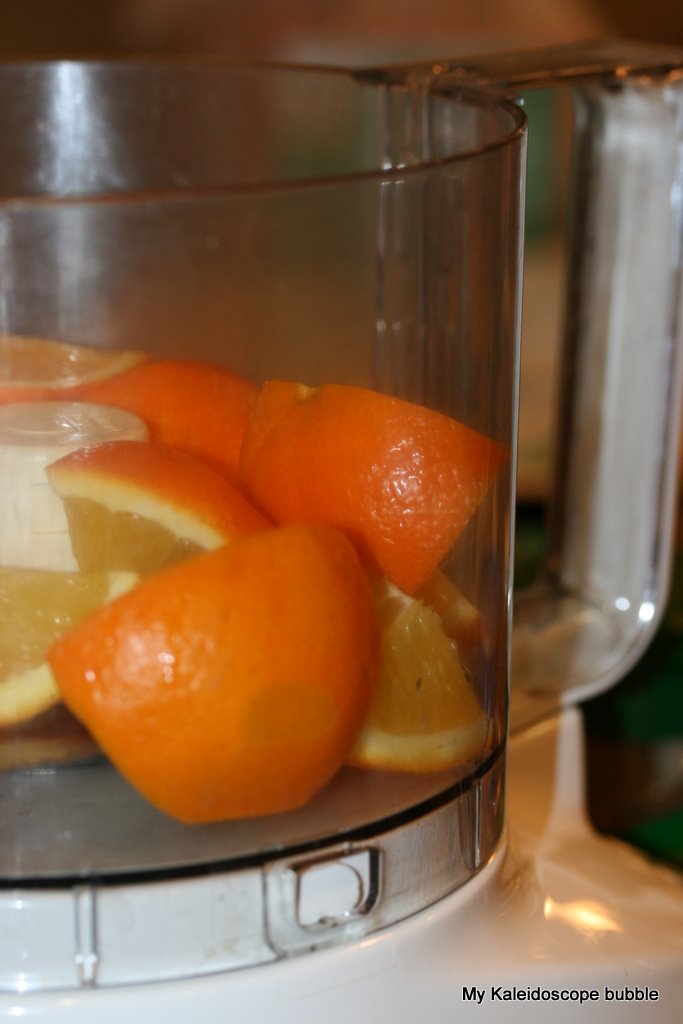
Quartered navel oranges ready to be chopped
2. In any case, I think the turkey really is the uglier and drier-tasting cousin of the chickens and if it weren’t for Thanksgiving, no one would really bother going through that much effort cooking one. So, I’m thankful that my mind was still sound enough to choose the tastier bird for the feasting.

Three cheers for Chicken!

Cranberry and orange relish, tart and tasty -- Sean's favourite
3. I’m thankful for my hardworking oven, for which without it, our Thanksgiving food might have sparked great misery and ‘un-thankful’ feelings across the table.

4. I’m thankful that someone created a recipe that made green beans tons more exciting and even when I’d tweaked it to turn it vegan-friendly, it was still kick-ass delicious!

Sweet carrots ready for roasting with olive oil and thyme -- Monique's favourite
5. I’m thankful for Google for without it, I wouldn’t have zoned in so quickly on recipes that looked and sounded good. Bet the native Indians are kicking themselves for not discovering Google first, instead, they discovered White settlers with big guns who robbed them of their land.

Roasted sweet dumpling squash with drizzled olive oil and maple syrup -- 2 thumbs up from the hubs
6. I'm grateful for living in this land of the plenty and never having to see starving people walking the streets. Never mind if the truly unfortunate are really the hugely obese surviving on food stamps and on cheap, sugary and processed food. The government is going to do something for these people, right?? Sarah Palin for Walmart central America 2012!

Roasted tri-colour capsicums and sweet onions with garlic and rosemary crust
7. I'm also thankful that no one actually reads this blog or my politically incorrect words will come to bite me on my fat arse one day.

Berries and apple in lemon juice for double-crust pie
8. And I'm thankful for those who still read my blog and enjoy it without trying to find the hidden meaning in my words or probe me to explain what I meant in #5- #6 and/or if I have a problem with white people and/or people with big arses. For the record, Sarah Palin does not have a big arse; she is Barbie, darn it! Respect her intelligence!

Apple & berry pie with custard base. The best flaky crust ever -- thanks to Alan Carter! Google him, he will not disappoint.
9. I'm counting my blessings that all this leftover means no-cooking for a few meals. Bet every Mom is rejoicing at this one!

10. Bless the farmers whose sweat and hardwork grew these produce possible for our enjoyment. We are, forever, grateful.

Lastly, I'm thankful to have my family and the other only known Singaporean in the area recently relocated from New Jersey --Uncle Sim -- as the kids call him, to share this feast with. 

Burp.


Tuesday, November 23, 2010

Vadai-tastic

Every time I stumble on a vegan-tastic tasting food, I’m bursting to share it with whomever is willing to listen. You can imagine that it would just be me, the hubs and the layer of dust on my floor. It’s true; and I think that is partly because the term “vegan” appears to be synonymous with healthy, bland and “where’s the cheese?”


You’ll not find many vegetarian recipes that do not include cheese, butter or eggs to liven them up. That innocuous cheese hiding in the vegetables means it brings the yummy rating scale from a ‘meh-4’ to a very high 8 or 9 and even a perfect 10. Vegetarians have better luck than their stricter vegan friends. Being able to eat dairy products means heartily enjoying a vegetable lasagna (never-mind if it is 4-cheese laden between thin layers of eggplant) and still able to feel smug and righteous when you spy that carnivorous glut shoveling the mince meat laden ones. Plus, unlike vegans, vegetarians can always wash down the healthy meal of vegetables (and copious amount of cheese) by binge eating a decadent cheesecake (more cheese) or the innocent pound cake (more like a pound of butter) drizzled with strawberry compote, enjoyed with their non-vegetarian friends.


But try looking at a list of vegan foods that trigger the salivary glands and it makes the Amish telephone book appear to be bursting at the spine. Pasta sauces are always made from tomatoes and never the creamy luxuriant carbonara sauce. What about vegetable gratin? It is tasty no doubt but add the cream and cheese layer and it immediately pushes all the right buttons. As for vegan desserts, I’m already hearing the sad violins in the background when I think of the chocolate cake made with vinegar in place of eggs (yes, I have also made this strange cake and one made with tofu too) or boring stewed apples, pears or plums in some sort of glossy sauce made artistic by sticking a mint leaf in just to jazz things up. They are nice but it isn’t going to set off spontaneous drooling the way it does when you mention chocolate gateau with molten ganache. You get my idea.


Whatever the case, I can now name one wickedly yummy vegan snack that hits the perfect 10 – without needing cheese nor egg to lend support. The simple and nutritious vadai made from lentils is bursting with protein and fiber never mind if it is fried which makes it a little less wholesome. But what the heck, fried and oil are to vegans like cheese and eggs are to vegetarians. These spiced fried Indian donuts -- that I’ve loved back in Singapore -- are wickedly tasty and when combined with chopped greens like the often overlooked cabbage and pungent coriander, make a darn tasty guilt-free snack or light lunch. If someone had said vadais are vegan, I would never believe them because they are much too delicious to be tied to my impression of vegan food.


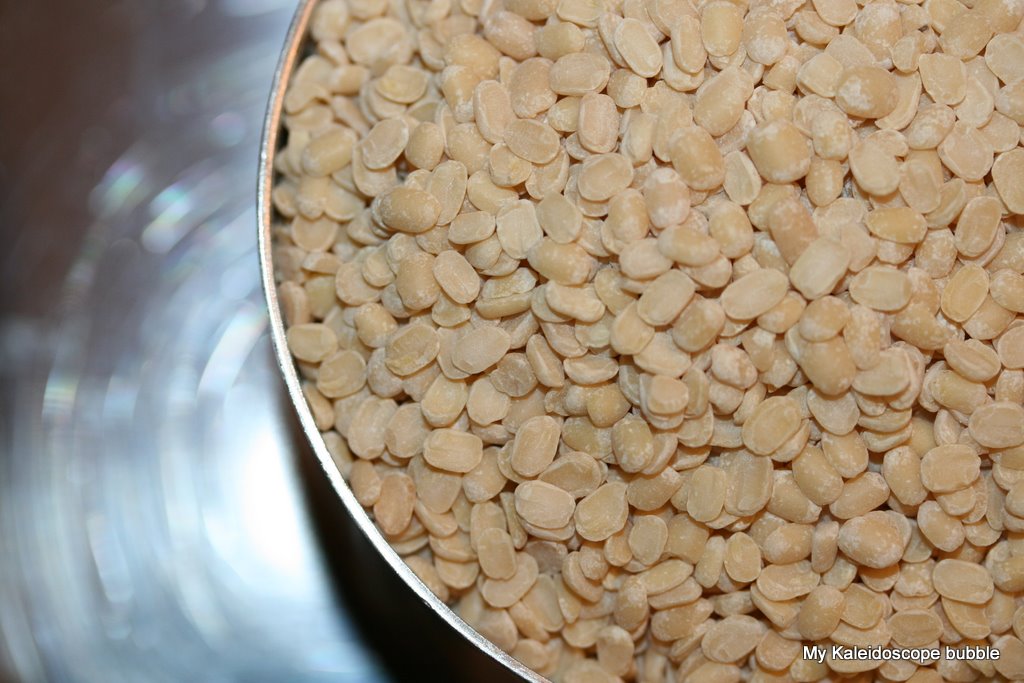
My favourite Southern Indian cookbook said to soak 1 cup of urad dal (black gram lentils) for 2 hours after which I pureed them with 4 green chillies, salt and a splash of asafoetida. I then mixed in chopped onions, cabbage and coriander into the pureed lentils, adding a little water as needed. I would have taken some pictures but the paste wasn’t particularly photogenic. Then, the hardest part of the whole preparation was trying to shape the gluggy mess into donuts rendering my hands too sticky to bother with messing with my camera. Trying to get the shaped dough (or misshapen in my case) into the hot oil was tricky; the dal mixture inevitably clung onto my palm and fingers with fierce tenacity. They needed a good shove into my wok, but as they sank and bubbled in the oil, their texture stiffened and held shape.


Next, I served it up to Monique -- my pickiest food critic – who instinctively turned her nose up at it but her suspicious expression gave way to pleasant surprise after one small bite. And when my back was turned, she returned to the dish and stuffed another into her mouth saying, “hmmmm… this is so yummy, Mummy!” giving the green light to the others who proceeded to descend on the vadais.

Vegan/vegetarian/all meat-loving rating: a perfect 10.

Friday, October 22, 2010

The unsung gadgets


I confess; I do love kitchen gadgets, especially ones that promise to slice chunks off the time spent in the kitchen; which in itself, is quite ironic when I think about it, because the better the gadgets are at performing just means that I depend less on 5-minute meals and more time labouring over meals from scratch. I’m then back to spending way too much time in the kitchen! But that isn’t the point of my story today.


You see this mandoline slicer? It isn’t flash and it didn’t cost much either, in fact it is possibly the Hyundai equivalent of kitchen gadgets with the Mercedes Benz version costing as much as US$300. And I haven’t really had much use for it apart from slicing zucchinis for my raw food vegan ‘pasta’ dish. Sure, serious cooks like some of you would say that I could easily use it for julienning all sorts of vegetables like the way my Japanese friends would attest to origami-dainty fruits and vegetables. But I’m not a perfectionist and if my vegetables look unruly, I’m certain I wouldn’t be traumatized.

However, I found a new use for it today that upgraded the taste of my keropok udang from a B-minus to a very decent A-minus. (I’m leaving the A-plus for Christine’s grandma because if it weren’t for her, I would still be eating commercial keropok udang)

My first attempt at making keropok udang had me slicing the udang roll by hand and by the time I was done with the first 2 rolls, my hands cramped and gimped; the slices got thicker and coarser. Evidently, it did affect the texture and hence, the ultimate satisfying crunch was not reached.


Then, nestled in my gadget drawer was this wooden-handled sieve that I’d bought yonks ago because I had romantic visions of me stirring and flipping hot noodles into bowls, just like the way the sweaty singlet-wearing chap did at my favourite noodle stall. But we don’t eat noodles as often as I’d like to, and along with the garlic peeler and meat tenderizer, this sieve remained out-of-sight and forgotten; well, until today when it performed the trickiest task of catching bits of fried keropok in a timely swoop plus effectively draining the oil. This time, my keropok pieces were so thinly sliced that they bloomed to near delicate paper-thin crisps. My preferred tongs would not have met up to the challenge without crushing them to crumbs.


Needless to say, this batch turned out tons tastier than the previous attempt. It was so good that I had to extract the bowl of prawn crisps from wee Sophia’s clutches so that the other 3 would have some upon their return from school. But even as I’d turned my back -- bowl in my arms and Sophia's loud protests in the background – I’d cunningly shoveled 3 more crisps into my greedy mouth; and maybe some more when she finally left my kitchen.


Who’s counting anyway?